Technical Animation With Clear Review
An equipment film needs a defined explanation and a review process that reaches the model, edit and captions.
Discuss a Technical Film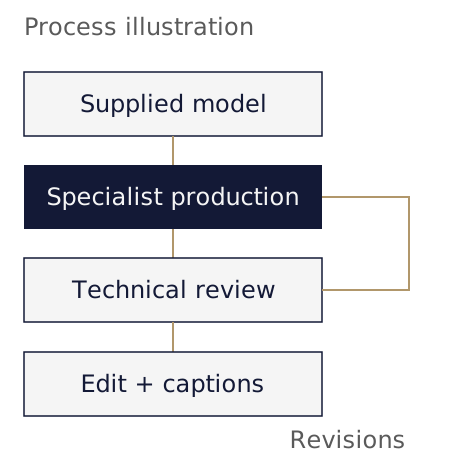
The Working Brief
The client supplied source model material for a technical film. An outside animation specialist handled modeling and rendering. InterSculpt wrote production direction, coordinated the work and managed client review, then handled film editing, narration changes and captions.
The communication brief had to account for how the film would be watched. It was intended for meetings and shared viewing, including an initial viewing without sound. Legible on-screen information and captions were therefore part of the brief, alongside technical clarity and consistent brand treatment.
The assignment continued after the first review delivery. Client comments changed narration and mark treatment. A later request concerned the model itself and required specific directions for revised stills and affected film shots. Editorial revisions and technical corrections followed different review questions.
Production Decisions
Source Model and Specialist Work
InterSculpt requested the original model files while arranging production with an animation specialist. The client connected the studio with the source provider, who supplied the files; InterSculpt confirmed receipt.
The supplied model was an input to specialist production. InterSculpt’s responsibility was to translate the communication brief into production direction and keep review moving between the client and the specialist. The model’s technical content remained subject to the client’s review.
The brief described the explanation, on-screen legibility and brand requirements. It also addressed deliverables and handoff. Those instructions established the requested production scope; the later delivery records establish which work was actually issued.
Delivery RecordThe model correspondence records the client-supplied files, receipt and specialist-production role.
Viewing Without Sound
The production brief anticipated that a viewer might first encounter the film muted. It called for captions and legible on-screen content, so the spoken track could not be the only place where the explanation appeared.
InterSculpt included on-screen text and caption work in the film production. When the narration changed, the caption timing had to change with it. The delivered recut included regenerated cue times matched to that edit.
Delivery RecordThe brief specifies muted viewing; the recut delivery record includes regenerated caption timings.
Narration and Picture Timing
The client reviewed the film and requested changes to the narration as well as the treatment of the brand mark. InterSculpt subsequently worked with the requested original narration on an existing specialist render.
The narration and render allocated time differently. Some early picture sequences had more time than the narration needed, while later passages needed more room. The recut required changes to the timing of individual picture sequences so the spoken explanation could fit.
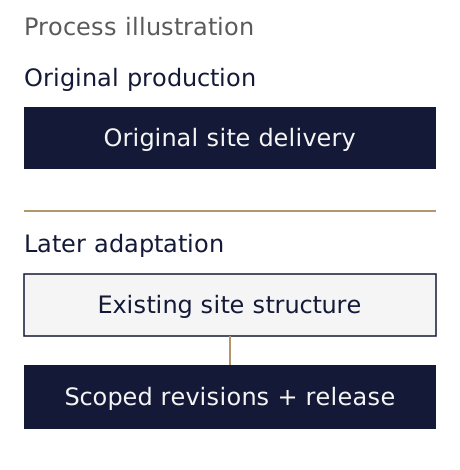
InterSculpt adjusted the edit and rebuilt caption timings for the resulting cut. The source render and specialist work remained the basis of the picture; the studio’s contribution included the recut and the editorial elements assembled around it.
The recut was delivered and recorded as placed on the client’s website. Later technical corrections were a separate assignment, so that earlier delivery does not establish acceptance of a subsequently revised model.
Delivery RecordThe editing record documents the narration recut; the delivery register records the issued film and caption updates.
Technical Correction References
A later render brief specified changes to the model and component proportions. It also identified related stills and affected shots that would need to match. The requested work included a new sequence explaining assembly.
InterSculpt returned revised stills to the client and asked whether the corrected model details and sizes were right. The client supplied a marked reference, which InterSculpt forwarded with the technical direction for the specialist.
The later model corrections remained in client review.
Delivery RecordThe later render brief and marked client reference document the correction request and continuing review.
Related Outputs and Versions
The production also generated related animation masters and still images. The later correction brief addressed consistency across those outputs, including stills and images cut out from their backgrounds.
A model correction can affect more than the film currently under review. In this project, the brief named matching outputs and affected film shots so the specialist’s revision scope extended to those related assets.
Delivery RecordAsset records establish related masters and stills; the later brief specifies matching revisions across formats.
The Delivered Work
InterSculpt delivered a technical film for client review and website placement, followed by a narration recut with revised captions. The wider production included specialist animation and still-image outputs.
Practical Lessons
- State how the film will be viewed before production starts. Captioned viewing affects the brief, on-screen text and the eventual edit.
- Compare a changed narration against the actual picture sequence. Allocate time for each passage, then regenerate captions from the resulting edit.
- List every still and shot affected by a model correction. Give the specialist a precise reference and assign technical approval to the client’s responsible reviewer.
- Record the status of each delivered version. An earlier release and a later correction can be at different stages of review.
Project Contributions
The client supplied source model material and technical review. Specialist artists handled modeling and rendering. InterSculpt handled production direction, coordination, editing and captions.